KARACHI: In a major step towards transforming Pakistan’s energy landscape, Moro Power Company (MPC) has signed a strategic agreement with PowerChina for the development of the country’s first business-to-business (B2B) renewable electricity project.
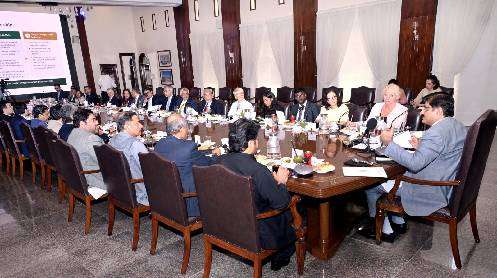
The agreement, signed on Saturday, marks a pioneering initiative under the Sindh Electric Power Regulatory Authority (SEPRA), enabling MPC to directly supply electricity to industrial consumers in Nooriabad through the Sindh Transmission and Despatch Company (STDC).
MPC Chief Executive Officer Mustafa Abdullah stated that the partnership with PowerChina will focus on technical collaboration, including engineering, procurement, and construction (EPC) for Phase-I of the project. The initial phase will deliver 100MW of clean energy through a hybrid system comprising wind turbines, solar panels, and battery storage.
This project is also the first practical implementation of Pakistan’s long-awaited Competitive Trading Bilateral Contract Market (CTBCM) framework, allowing private entities to generate and wheel electricity directly to consumers at competitive rates.
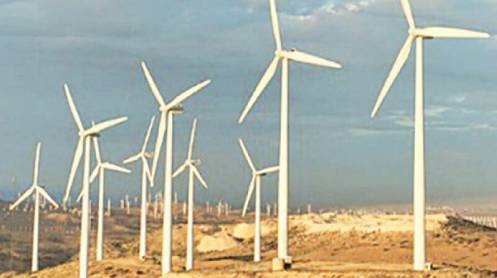
Under the project plan, the Sindh government has allocated 300 acres of land in Jhimpir—one of Pakistan’s key wind corridors—for the development of the hybrid facility. The 100MW capacity will include 65MW from wind and 35MW from solar generation.
Sindh stands out as the only province with an independent power regulator, giving it the authority to determine tariffs and oversee generation, transmission, and distribution. This autonomy has enabled the province to take the lead in introducing decentralized and market-driven energy solutions.
Highlighting the project’s commercial viability, Mustafa Abdullah noted that MPC would be able to transmit electricity through the national grid by paying wheeling charges of approximately Rs8 per unit, and supply renewable power to industries across Pakistan at an estimated cost of Rs25 per unit—significantly lower than conventional tariffs. Consumers will continue to remain connected to the national grid for uninterrupted supply.
The Jhimpir wind corridor has already emerged as a major renewable energy hub, hosting 36 power producers with a combined installed capacity of 1,845MW. The addition of this hybrid project further strengthens Sindh’s position as a leader in clean energy development.
This landmark agreement signals growing confidence in Pakistan’s renewable energy sector and sets the stage for increased private sector participation in delivering affordable and sustainable power solutions to industry.
Story by Tahir Siddiqui